





Turin Brakes a Torino: report del live allo Spazio 211 e intervista a Olly Knights – “Peace & Love, Rock’n’Roll Forever”
di Roberta Perduca
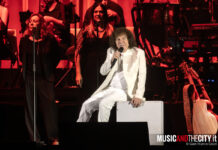
Ritornano a Torino in grande stile e più carichi che mai i Turin Brakes per presentare il nuovo album ”Space Hopper” uscito a maggio del 2025. Le precedenti date italiane, tutte sold out, come anche quella allo Spazio 211, dimostrano come i Turin brakes, considerata band di nicchia, hanno chiamato a raccolta tutti fan più appassionati per un super concerto che nel Club di via Cigna 211 ha entusiasmato il pubblico.
Come sempre l’apertura del concerto spetta ai “fedelissimi” Dog Byron, capitanati da Max Trani, che spaziano dalle ballad a ritmi più grunge senza mai perdere il loro stile sincero ed inconfondibile.
La musica dei Turin Brakes non conosce confini di età, stile, genere e sensazioni. Dal punto di vista musicale, Olly, Gale, Ed e Rob sono tutti incredibilmente talentuosi e competenti. Tutte le persone presenti , alcune con figli adolescenti, unite dal legame che solo la musica può creare, hanno condiviso momenti che rimarranno impressi nella mente per molto tempo. Guardandosi intorno tutti sorridevano e cantavano sia i nuovi brani, sia quelli vecchi, in un’atmosfera gioiosa. Durante tutto il live vi erano braccia alzate, cori ed applausi e ciò che è arrivato alla band, più volte detto da Olly, è stata un’ondata incredibile di affetto. Tutto il pubblico era immerso nella musica dei Turin Brakes.
Ci sono così tante sfaccettature nelle influenze della band, come blues, country, folk, nei brani “Pays to Be Paranoid”, “Spacehopper”, “Lazy Bones”, “What’s Underneath” dal nuovo LP. Ovviamente non poteva mancare “Pain killer”, grande successo che li ha fatti conoscere oltre manica. Il live è stato un mix tra nuove e vecchie canzoni. Speciale bis a grandissima richiesta “Feeling Oblivion”.
La serata si conclude con un messaggio di pace e rock and roll; non solo abbiamo ascoltato buona musica ma l’abbiamo sentita, ci siamo identificati ed è questo che la musica dei Turin Brakes evoca ad ogni live.
🎤 Intervista con Olly Knights dei Turin Brakes
Prima del concerto abbiamo incontrato Olly Knights (voce e chitarra del gruppo) per una breve chiacchierata.
R: Prima di tutto, bentornati a Torino!
O: Grazie!
R: È dall’aprile 2023 che non ci incontriamo ed è un piacere riavervi in Italia.
O: Tre anni. Quasi tre anni. Siamo ancora qui, siamo ancora vivi. È una bella notizia.
R: È un’ottima notizia. E stasera vi sentiremo suonare il vostro nuovo album “Spacehopper” che è uscito a maggio del 2025.
O: Sì. Wow, okay, sì, è passato un po’ di tempo. Stasera abbiamo in scaletta credo quattro o cinque canzoni dal nuovo disco, oltre a molte altre.
R: Prima domanda, qual è il focus principale di “Spacehopper”?
O: Immagino che, partendo dal titolo, ci piacesse l’idea di saltare attraverso il tempo e lo spazio della nostra storia. Poiché era il decimo album, ci ha fatto riflettere molto sulla nostra intera storia come band, sai, perché c’è qualcosa nel numero dieci che ti spinge a farlo quando arrivi al decimo album.
R: Giusto. Ho letto che per il brano “Spacehopper” hai preso l’idea dal giocattolo (NDR palla saltellante), vedendo tua figlia che ci giocava. Quindi la mia domanda è: riguardo al giocattolo, questo album è una sorta di riassunto della vostra carriera?
O: Si, “Spacehopper” era l’idea di saltare attraverso gli anni e inserire piccoli commenti; ci sono molti testi che hanno riferimenti a vecchie canzoni e idee dei Turin Brakes. Ci sono così tante piccole sorprese…oggi la gente li chiama “Easter Eggs”, dove trovi un piccolo premio. Quando abbiamo iniziato, proprio all’inizio, facemmo un’intervista, credo per NME o comunque per la stampa del Regno Unito, e dissi: “Oh, penso che faremo dieci album”. Loro reagirono tipo “Sì, vabbè…”, si parlava dell’LP “The Optimist” il primo, ed in realtà abbiamo realizzato dieci album. Il fatto che avremmo fatto dieci album mi è sempre sembrato un contratto che avevo stipulato con l’universo, quindi quando siamo arrivati al numero dieci, ci è sembrato giusto parlare di quello che avevamo fatto.
R: Come ti senti riguardo a questa crescita interiore in dieci anni di album, suonando, andando in giro in tour?
O: Beh… cavolo, penso ancora che sia incredibile il fatto che siamo ancora in grado di andare avanti e continuare a fare quello che facciamo. Perché il mondo è folle, e c’è stata questa cosa costante nella mia vita e nella vita dei fan riguardo alla band. Ormai sono… quanti… 25 anni? Qualcosa di assurdo. Abbiamo lavorato e…
R: …E vi siete fatti strada attraverso diverse epoche.
O: Sì, così tante epoche diverse. Ma penso che la cosa divertente dei Turin Brakes sia che suonano sempre come i Turin Brakes. Lo senti subito.
R: È vero. E’ per questo motivo che avete deciso di registrare al Kork Studios… è stata una decisione ponderata registrare lì dopo 25 anni?
O: Sì, non ci tornavamo dai tempi dell’album “The Optimist”. Quindi è stato molto… sai, come quando entri in una casa stregata dove ci sono i fantasmi. È stato proprio così, come se fossimo tornati in una casa stregata e ci fossero versioni fantasma di noi stessi e idee che ricordavamo da 20 anni fa. Quindi abbiamo deciso, perché sapevamo che sarebbe stato semplicemente magico ed intenso, e ci avrebbe fatto provare delle emozioni.
R: Com’è stato lavorare nuovamente con Guy Massey?
O: E’ andata molto bene, perché è diventato un nostro amico.
R: E’ stato il primo produttore con cui avete lavorato in “The Optimist”. E’ stato un ritorno alle origini?
O: Sì, è stata una sorta di ritorno alle origini, in molti sensi. Ma era molto importante non limitarsi a copiare, ma evolvere. In un certo senso, se torni in un posto dove sei stato da ragazzino, ti rendi conto di quanto sei diverso ora, proprio tornando nello stesso posto. Magari dove sei cresciuto, e non ci sei più tornato, e poi ci vai e dici: “Wow”.
R: E le tue sensazioni sono ancora quelle?
O: Sì, sono ancora quelle. A volte sono le stesse e a volte sono davvero diverse. Quindi ci è sembrata una cosa buona da fare.
R: La dolcezza melodica di “Old Habits” mi ha colpito molto. Mi sembra di capire, per quanto riguarda il testo, che le persone dovrebbero essere più serene e guardare al futuro. Perché dici “porgi l’altra guancia” e cose del genere. È esatto?
O: Sì, beh, c’è sicuramente l’idea di proiettarsi nel futuro e dire: “Dovremmo cercare di essere così”. Ma dice anche che è davvero difficile esserlo, perché le vecchie abitudini sono dure a morire. Non puoi cambiare solo perché lo vuoi. È più difficile di così. Quindi la canzone è un po’ come un blues su quel problema: “Vorrei essere una persona migliore o diversa, vorrei poter fare questo, ma è così difficile”.
R: Come se volessi cambiare un comportamento sgradevole, o semplicemente essere meno irascibile…
O: Sì, essere meno irascibili e tutto il resto, ma è davvero difficile. E così, come al solito con i Turin Brakes, prendiamo qualcosa che è molto difficile e cerchiamo di renderlo molto bello. Per me, nello scrivere canzoni, questo è il punto, questo è il motivo: prendere un problema e creare una cosa nuova che vada oltre il problema stesso.
R: Nel corso degli anni, il tuo modo di comporre e di cercare l’ispirazione è cambiato?
O: È strano. Per molti versi no, per molti versi è sempre stato lo stesso processo da quando avevamo vent’anni, o anche meno. Di solito… non sempre, a volte Gale arriva con un’idea completa e di solito io scrivo una canzone, la porto agli altri e poi la distruggiamo e la ricostruiamo come band. Ed è quello che facciamo da quando avevamo 16 o 17 anni. Quindi quel processo è molto simile. Ciò che è cambiato è che ora abbiamo molta più fiducia in noi stessi. Non ci preoccupiamo più di cosa pensano gli altri. Facciamo solo quello che ci sembra giusto per noi.
R: Come sta andando il Tour?
O:I concerti in Italia sono stati fantastici. Era da un po’ che non suonavamo qui da voi ed il fatto di essere una band indipendente è come quando lanci un dado…ogni volta che suoni non sai mai se la gente verrà a vederti oppure no e finora i primi tre concerti in Italia sono stati favolosi. Stasera è il quarto. I precedenti erano tutti sold out. I fan conoscevano tutte le canzoni ed adoravano la nostra musica, sono stai tutti molto cordiali ed accoglienti. E’ stato il pubblico migliore con un’atmosfera fantastica. Siamo stati sorpresi, molto meglio di ciò che ci aspettavamo.
R: Pensate di ritornare in Italia a suonare nei festival estivi?
O: Sai è incredibilmente difficile perché se non sei una band nuova, se hai una storia e noi non siamo una band nuova, per suonare in un festival devi essere o una band nuova o una band o con molto molto seguito, commercialmente grande. Noi siamo sempre nel mezzo, non siamo sconosciuti ma neanche conosciutissimi e non siamo una band appena uscita, perciò è molto dura suonare nei festival.
R: La collaborazione con i Dog Byron è longeva ed anche per questo tour loro aprono i vostri concerti…posso dire che sono una certezza?
O:Con i Dog Byron siamo diventati amici: li abbiamo visti modificare la loro musica, senza averli influenzati, ma il fatto di aver suonato con noi per molti anni davanti ai nostri fan, ha sviluppato la loro musica diversamente rispetto a come sarebbe successo senza essere la nostra band di supporto. . È stato davvero bello da vedere, sono diventati più melodici, più “aperti”, meno rock e più groovy. Ci hanno aiutato moltissimo e ci hanno salvato molte volte. Quando le cose si mettevano male ed eravamo nei guai, per aver perso il treno, ci venivano a prendere col furgone e ci portavano al concerto. Cerchiamo sempre di viaggiare in treno ed i treni italiani sono fantastici e veloci rispetto a quelli inglesi. Purtroppo ora le ferrovie del Regno Unito hanno molti problemi, sono molto costose ed inaffidabili e quindi capita spesso che i treni vengano cancellati all’ultimo secondo.
R: Nell’ultima intervista ti avevo chiesto della Brexit, dalle tue ultime dichiarazioni, immagino che la situazione sia peggiorata?
O: La gente, specialmente nel Regno Unito , sta iniziando a capire solo ora cosa quanto sia stata dannosa la Brexit. Sono tutti più poveri. Ed ancora oggi andare in tour per band come i Turin Brakes è così difficile. Bisogna essere super creativi e fare amicizia con persone come i Dog Byron, così puoi avere aiuto e condividere l’attrezzatura!!!
R: Grazie mille per questa chiacchierata, è stato un vero piacere. Mi godrò il concerto di stasera!
O: Grande! Grazie a te, è stato divertente.
L’intervista ed i video sono a cura di Roberta Perduca.
(A seguire Versione inglese)
🇬🇧 English Version – Full Interview & Live Report
Below is the original English version of the live report and interview with Olly Knights from the Turin Brakes show at Spazio 211 in Turin.
Turin Brakes have made a stylish return to Turin, more energised than ever, to present their new album “Space Hopper”, released in May 2025. Following a string of sold-out Italian dates—including last night at Spazio 211—it is clear that while they are often considered a “niche” band, they have mobilised a fiercely loyal fanbase for a superb gig that thrilled the crowd at the Via Cigna venue.
Opening the show were the ever-faithful Dog Byron. Led by frontman Max Trani, their set ranged from ballads to grungier rhythms, all while maintaining their sincere and unique style.
The music of Turin Brakes transcends boundaries of age, style, and genre. Musically speaking, Olly, Gale, Ed and Rob are incredibly talented and accomplished. The audience, which included many parents with teenage children, was bound together by that unique connection only music can create, sharing moments that will linger in the memory for a long time. Looking around, everyone was smiling and singing along to both the new tracks and the classics in a truly joyous atmosphere. Throughout the set, the air was filled with raised arms, singalongs, and applause; Olly mentioned several times that the band felt an incredible wave of affection from the crowd. Everyone was completely immersed in the performance.
There are so many facets to the band’s influences—blues, country, and folk—evident in tracks like “Pays to Be Paranoid”, “Spacehopper”, “Lazy Bones”, and “What’s Underneath” from the new LP. Of course, they couldn’t leave out “Painkiller”, the massive hit that originally broke them across the Channel. The setlist was a perfect mix of old and new, concluding with a special encore of “Feeling Oblivion” by popular demand.
The night ended with a message of peace and rock ‘n’ roll. We didn’t just listen to good music; we felt it and identified with it—exactly what a Turin Brakes live show evokes every time.
Before the gig, we caught up with Olly Knights for a brief interview.
R (Roberta Interviewer): First of all, welcome back to Turin!
O (Olly): Thank you!
R: We haven’t met since April 2023, so it’s a real pleasure to have you back in Italy.
O: Three years. Almost three years. We’re still here, we’re still alive. It’s good news.
R: It’s great news. And tonight we’ll hear you play your new album “Spacehopper”, which was released in May 2025.
O: Yes. Wow, okay, yeah, it’s been a little while. Tonight we’ve got, I think, four or five songs from the new record in the setlist, along with plenty of others.
R: First question: what is the main focus of “Spacehopper”?
O: I suppose, starting with the title, we liked the idea of jumping through the time and space of our history. Since it was the tenth album, it made us reflect a lot on our entire journey as a band, you know, because there’s something about the number ten that makes you do that when you reach it.
R: Right. I read that for the track “Spacehopper” you got the idea from the toy, seeing your daughter playing with one. So my question is: regarding the toy, is this album a sort of summary of your career?
O: Yes, “Spacehopper” was the idea of hopping through the years and dropping in little comments; there are many lyrics with references to old songs and Turin Brakes ideas. There are so many little surprises… people call them “Easter Eggs” these days, where you find a little prize. When we started, right at the beginning, we did an interview—I think for the NME or the UK press anyway—and I said, “Oh, I think we’ll make ten albums.” They were like, “Yeah, right…”, we were talking about the first LP, “The Optimist”, and we actually ended up making ten. The fact that we’d do ten albums always felt like a contract I’d made with the universe, so when we got to number ten, it felt right to talk about what we’d done.
R: How do you feel about this inner growth over ten albums, playing and touring?
O: Well… , I still think it’s incredible that we are still able to keep going and doing what we do. Because the world is mad, and this band has been this constant thing in my life and the lives of the fans. It’s been… how long… 25 years? Something absurd. We’ve worked and…
R: And you’ve made your way through different eras.
O: Yes, so many different eras. But I think the funny thing about Turin Brakes is that they always sound like Turin Brakes. You hear it straight away.
R: It’s true. Is that why you decided to record at Konk Studios? Was it a conscious decision to record there after 25 years?
O: Yes, we hadn’t been back since “The Optimist” days. So it was very… you know, like walking into a haunted house where there are ghosts. It was exactly like that, as if we’d returned to a haunted house and there were ghost versions of ourselves and ideas we remembered from 20 years ago. So we decided on it because we knew it would be magical and intense, and it would make us feel something.
R: What was it like working with Guy Massey again?
O: It went very well, because he’s become a friend of ours.
R: He was the first producer you worked with on “The Optimist”. Was it a return to your roots?
O: Yes, it was a sort of return to our roots in many ways. But it was very important not to just copy, but to evolve. In a way, if you go back to a place where you were as a kid, you realise how different you are now just by being in that same spot. Maybe where you grew up, and you haven’t been back, and then you go and say: “Wow.”
R: Are your feelings still the same?
O: Yes, they are. Sometimes they’re the same and sometimes they’re really different. So it felt like a good thing to do.
R: The melodic sweetness of “Old Habits” really struck me. It seems to me, lyrically, that people should be more serene and look to the future. Because you say “turn the other cheek” and things like that. Is that right?
O: Yes, well, there’s definitely partly the idea of looking into the future and saying: “We should try to be like this.” But it also says that it’s really hard to be like that, because old habits die hard. You can’t change just because you want to. It’s harder than that. So the song is a bit like a blues about that problem: “I wish I were a better or different person, I wish I could do this, but it’s so hard.”
R: For example if you want to change an unpleasant behaviour, or just being less bad-tempered…
O: Yes, being less grumpy and all that, but it’s really tough. And so, as usual with Turin Brakes, we take something that is very difficult and try to make it very beautiful. For me, in songwriting, that’s the point, that’s the reason: to take a problem and create something new that is much better than the problem itself.
R: Over the years, has your songwriting or the way you look for inspiration changed?
O: It’s strange. In many ways no, in many ways it’s been the same process since we were in our twenties, or even younger. Usually… not always, sometimes Gale comes in with a complete idea, but usually I write a song, bring it to the others and then we tear it apart and rebuild it as a band. And that’s what we’ve been doing since we were 16 or 17. So that process is very similar. What has changed is that we have much more confidence in ourselves now. We don’t worry about what others think anymore. We just do what feels right for us.
R: How is the tour going?
O: The Italian gigs have been fantastic. It had been a while since we played here and being an independent band is like rolling a dice… every time you play you never know if people will turn up or not, and so far the first three shows in Italy have been fabulous. Tonight is the fourth and they’ve all been packed and sold out. The fans knew all the songs and loved our music; they’ve all been very warm and welcoming. It’s been the best audience with a fantastic atmosphere. We were surprised, it’s been much better than we expected.
R: Do you think you’ll return to Italy to play at summer festivals?
O: You know, it’s incredibly difficult because if you’re not a new band, if you have a history—and we aren’t a new band—to play a festival you have to be either a new band or a band with a very, very large following, commercially big. We’re always in the middle; we aren’t unknown but we aren’t huge either, and we aren’t a brand new band, so it’s very tough to play festivals.
R: The collaboration with Dog Byron is long-standing and they are opening for you on this tour as well… can I say they are a “certainty”?
O: We’ve become friends with Dog Byron: we’ve watched them change their music—without us influencing them—but the fact they’ve played with us for many years in front of our fans has developed their music differently than it would have without being our support act. It’s been really nice to see; they’ve become more melodic, more “open”, less rock and more groovy. They’ve helped us immensely and saved us many times. When things went wrong and we were in trouble, like having missed a train, they’d come and pick us up in the van and take us to the gig. We always try to travel by train and Italian trains are fantastic and fast compared to English ones. Unfortunately, the UK railways have many problems now; they are very expensive and unreliable, so trains often get cancelled at the last second.
R: In the last interview I asked you about Brexit; from what you’re saying now, I imagine the situation has worsened?
O: People, especially in the UK, are only just starting to realise how damaging Brexit has been. Everyone is poorer. And even today, touring for bands like Turin Brakes is so difficult. You have to be super creative and make friends with people like Dog Byron, so you can get help and share equipment!!!
R: Thank you so much for this chat, it’s been a real pleasure. I’ll enjoy the show tonight!
O: Brilliant! Thank you, it’s been fun.
The interview and videos are by Roberta Perduca.